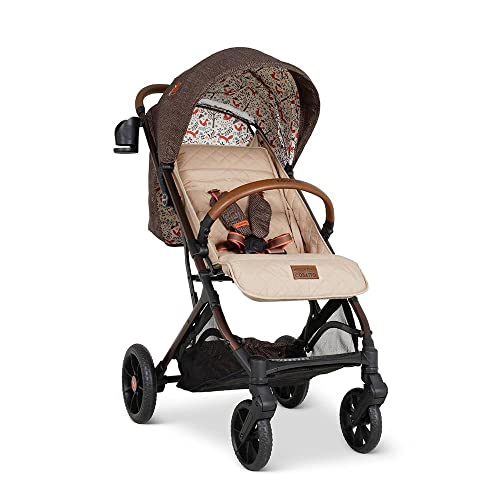
Exploring Off-Road Travel Systems: Your Guide to Adventure
Off-road travel uses an exhilarating escape from the mundane, enabling travelers to check out rugged terrains, spectacular landscapes, and remote environments. Whether for recreation or utility, off-road travel systems incorporate automobiles, equipment, and planning methods that help with these journeys into the wild. This article will explore the crucial components of off-road travel systems, pointers for preparing your adventure, and frequently asked concerns to assist you navigate this thrilling world.
Understanding Off-Road Travel Systems
An off-road travel system consists not just of the lorries themselves however also the equipment, tools, and strategies necessary for effective off-roading. This system can include:
- Off-Road Vehicles: These are specially developed to stand up to rough surfaces. Typical examples include trucks, SUVs, ATVs, and motorcycle.
- Safety Equipment: Essential for making sure a safe journey, consisting of helmets, emergency treatment kits, and recovery gear.
- Navigation Tools: GPS gadgets, maps, and compasses that assist in accurately plotting a course through unfamiliar territories.
- Outdoor camping Gear: For extended trips, outdoor camping gear ends up being vital. This consists of camping tents, cooking devices, and other fundamentals.
- Maintenance Tools: Off-road lorries can suffer wear and tear; for that reason, a toolkit for on-the-go repair work is essential.
Secret Components of Off-Road Travel Systems
Below is a comprehensive table showing the important elements of a detailed off-road travel system:
| Component | Description | Key Examples |
|---|---|---|
| Off-Road Vehicles | Automobiles developed for rough, unequal surfaces | Trucks, SUVs, ATVs, motorcycle |
| Safety Gear | Devices to secure and react to injuries | Helmets, very first aid sets, safety belt |
| Navigation Tools | Devices or tools to help navigate the terrain | GPS systems, physical maps, compasses |
| Outdoor camping Equipment | Equipment for comfortable over night remain in the field | Tents, sleeping bags, cooking products |
| Maintenance Tools | Devices needed for car upkeep throughout the journey | Tire repair packages, wrenches, oils |
Preparation Your Off-Road Adventure
Preparation an off-road experience involves cautious factor to consider of numerous elements to enhance the experience while ensuring safety. Below are essential actions to consider:
- Research Your Destination: Understand the terrain, ease of access, and prospective difficulties.
- Select the Right Vehicle: Select a vehicle that matches the terrain and the size of your group.
- Prepare Your Equipment: Make sure your automobile is fully equipped with the ideal security equipment, navigation tools, and camping supplies.
- Create a Detailed Itinerary: Include your path, estimated travel times, and stopping points.
- Inform Others of Your Plans: Always let somebody understand your schedule in case of emergencies.
- Load Smart: Bring just what you need to save space and weight but ensure you have all fundamentals.
- Inspect Weather Conditions: Keep upgraded on weather condition forecasts to prepare for prospective environmental challenges.
Regularly Asked Questions (FAQ)
1. What kind of automobile is best for off-road travel?
The best vehicle depends upon the terrain and purpose of the journey. Usually, four-wheel drive trucks or SUVs are popular for their power and storage capacity, while ATVs are favored for more treacherous terrains.
2. Is off-road travel safe?
Off-road travel can be safe if properly prepared. Ensure you have the ideal equipment, understand your lorry, have a map of the location, and are prepared for emergency situations.
3. Do I need an unique license for off-road driving?
Licensing requirements vary by location. In many locations, a basic motorist's license is adequate, however some areas might require special permits for certain vehicles.
4. What are necessary safety products to bring?
Basic security products include a first help set, additional water, fire-starting materials, a flashlight, and tools for small car repair work.
5. Can I camp while off-roading?
Yes, camping is a popular activity related to off-roading. Make sure to inspect regulations for outdoor camping in the area and comply with Leave No Trace principles to minimize your influence on nature.
Off-Roading Etiquette
While the adventure of off-roading can be liberating, it's crucial to follow certain guidelines to ensure responsible usage of the environment. Here's a list of off-roading etiquette suggestions:
- Stay on Established Trails: This lessens ecological deterioration and safeguards wildlife habitats.
- Be Respectful to Others: Acknowledge other adventurers and follow proper speed limitations.
- Prevent Creating Noise Pollution: Excessive sound can disturb wildlife and other visitors.
- Leave No Trace: Carry out what you carry in; respect the natural landscape.
- Understand Local Laws: Stay upgraded on regional guidelines and stick to them.
Off-road travel systems use more than simply an experience; they supply a gateway to connect with nature and explore the outdoors. By comprehending Pushchairs And Prams , preparing carefully, and keeping security in mind, anybody can start the thrilling journey that off-roading deals. Whether passing through rocky mountains or cruising through sandy deserts, the off-road community welcomes anyone going to accept the adventure of adventure. So prepare, buckle in, and take the road less taken a trip-- nature is waiting on you!